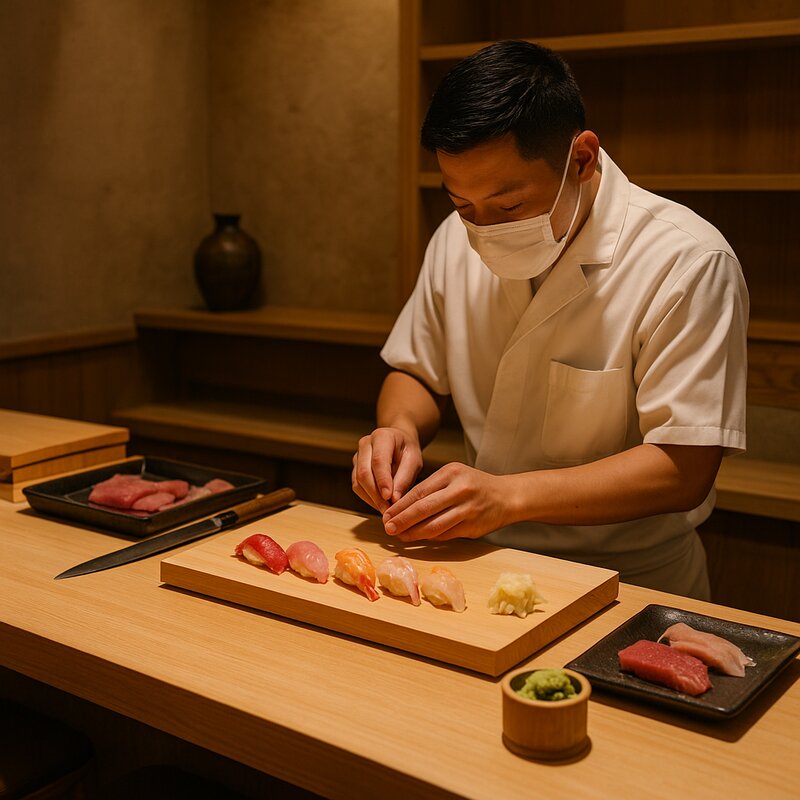
Premium Omakase (₱4,000-₱8,000+)
- Exclusive daily fish selections from top Japanese suppliers
- Rare items (bluefin toro, uni, aged fish)
- 12-16 piece courses with subtle progressions
- Intimate counter with chef interaction
- Reservation-only, limited seating
- Premium sake/wine pairings available
- Chef-owner or renowned apprentice preparation
Accessible Omakase (₱1,800-₱3,500)
- Quality fish from reliable suppliers
- Standard selections (salmon, tuna, scallop)
- 8-12 piece courses
- Counter seating with chef visibility
- Reservation recommended, some walk-ins accepted
- Basic beverage options
- Skilled chefs with solid training
The Art of Omakase
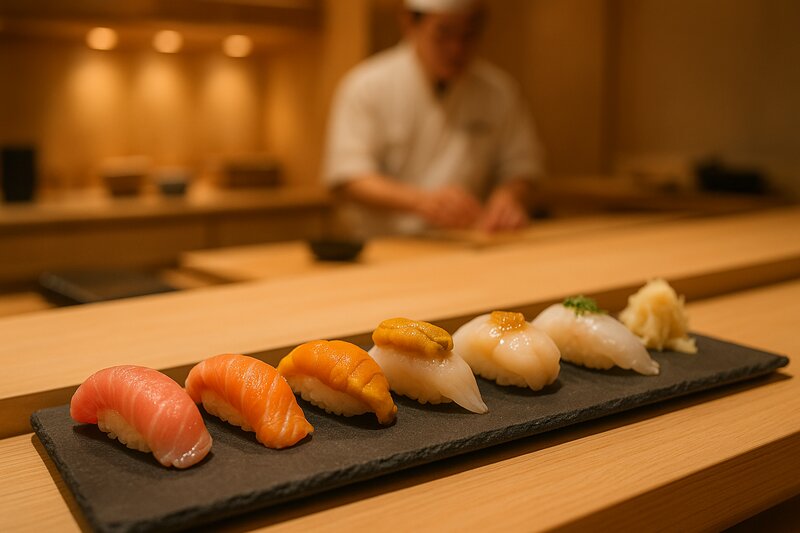
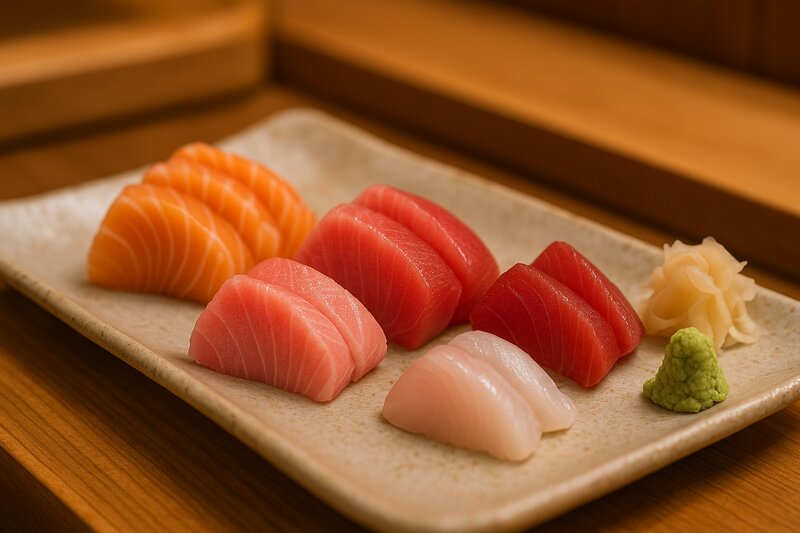
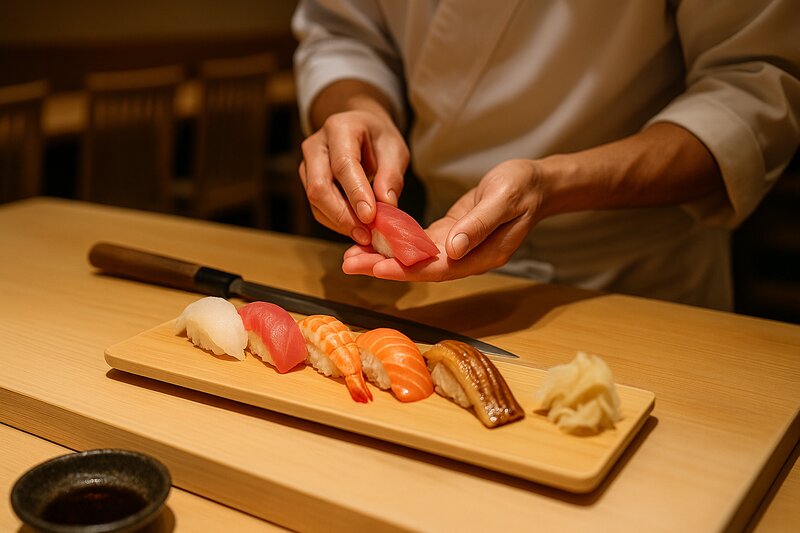
Omakase is more than just sushi -- it's a dialogue between chef and diner. The chef selects each piece based on daily ingredient availability, seasonal considerations, and the diner's preferences. Each nigiri is crafted with attention to rice temperature, fish freshness, and the perfect balance of wasabi and salt. The experience unfolds gradually, with the chef controlling the pace and progression of flavors, from lighter to more robust tastes.
Inatô
Inatô is a contemporary Filipino fine-dining restaurant from chef JP Cruz, whose name means "our way" in Binisaya. Its signature Bahala Na tasting menu lets the chef guide diners through a progression of Filipino dishes built on local and global ingredients and traditional techniques, with counter and dining seating kept intentionally limited to maintain intimacy. (Note: Inatô is a Filipino tasting-menu restaurant rather than a Japanese sushi omakase, so it sits a little apart from the sushi counters in this guide.)
Iai
Chef Bruce Ricketts' Iai specializes in Edomae-style sushi, the traditional Tokyo preparation method emphasizing lightly cooked or cured fish with aged vinegared rice. The reservation-only, intimate counter setting ensures personalized attention and unrushed pacing. Fish selection rotates based on premium daily imports, with an emphasis on depth of flavor development and the chef's relationship with top suppliers.
Kazunori
A more accessible entry point to quality Japanese dining, Kazunori offers chef's-counter experiences at relatively competitive price points (reportedly around ₱1,800-₱3,500 per person, though omakase prices change often -- confirm when booking). It aims to make omakase-style dining more attainable, with a solid fresh-fish selection, though portions tend to be smaller than premium-tier restaurants. A good option for first-time omakase experiences or regular indulgence.
Mecha Uma
Note: Mecha Uma appears to have permanently closed. Founded by chef Bruce Ricketts, it blended modern Japanese izakaya culture with sushi-counter omakase and was long praised for its ingredient quality; Ricketts now leads the Edomae sushi restaurant Iai in BGC. Please confirm current status before planning a visit.
Understanding Omakase Pricing & Experience Levels
Omakase pricing in Manila ranges from ₱1,800 at casual venues to ₱8,000+ at premium establishments, reflecting differences in fish quality, sourcing methods, chef expertise, and overall experience. Premium omakase emphasizes rare finds and exclusive imports, while accessible omakase focuses on quality fundamentals at broader price points.
Omakase Etiquette & Tips
The Philosophy Behind Omakase
Omakase is built on mutual trust and respect. By saying "I trust the chef," you're acknowledging their expertise and allowing them creative control. In return, the chef takes responsibility for curating an experience tailored to your palate. This dynamic -- impossible at a regular sushi bar where you order à la carte -- is what transforms omakase from a meal into a memorable culinary conversation.
Manila's omakase restaurants represent various philosophies: some honor traditional Tokyo Edomae technique, others blend innovation with tradition, and some prioritize accessibility without compromising quality. Regardless of your choice, the common thread is the chef's commitment to excellence and the diner's willingness to trust their vision. Whether you're a sushi enthusiast seeking premium experiences or a curious first-timer, Manila's omakase scene offers something for every palate and budget.