Culture & Heritage
Metro Manila's culture is a layered tapestry woven from centuries of history. Spanish colonization, Chinese migration, American occupation, and Japanese influence all left their mark on the city's architecture, cuisine, and identity. Explore the cultural stories that transformed Manila into the dynamic, multicultural city it is today.
A History of Manila in 9 Dishes: How Trade, Migration, and Colonization Shaped the Capital's Cuisine
Explore 400+ years of Manila's culinary evolution through nine iconic dishes that tell the story of indigenous traditions, Chinese traders, Spanish colonizers, and American occupation.
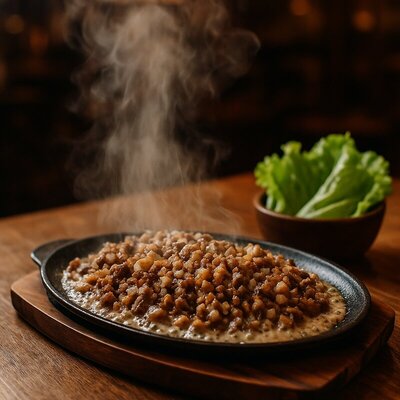
Sisig: From Clark Air Base to National Treasure -- How a Pampanga Dish Became Filipino Icon
Discover the surprising history of sisig, from colonial salad to sizzling platter. How American military surplus became the Philippines' most theatrical dish and a symbol of Kapampangan genius.
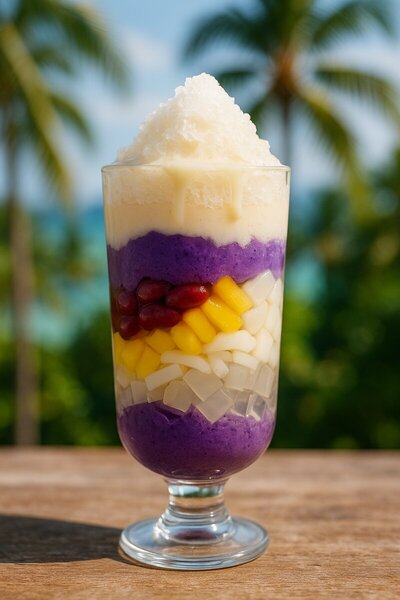
Halo-Halo: The Colorful History of the Philippines' Most Iconic Dessert
Discover the surprising origins of halo-halo, from Japanese kakigori and American ice to the beloved Filipino dessert. Explore how this post-colonial treat became a national symbol.
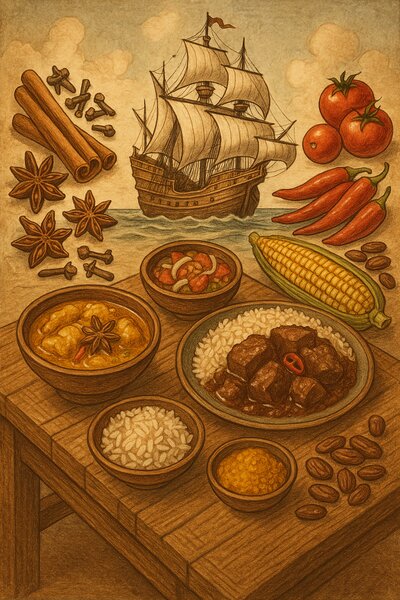
Manila Galleon Trade: How Two Continents Met on a Plate (1565-1815)
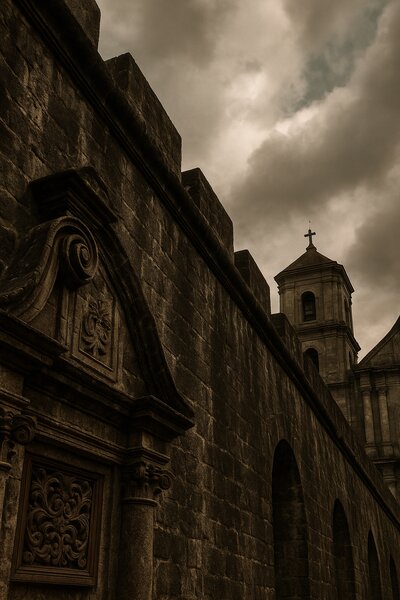
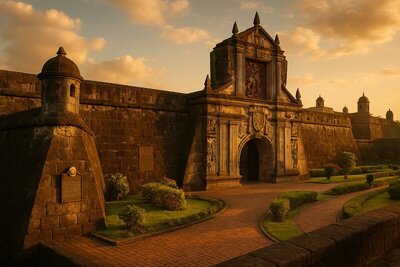
Best Historical Landmarks & Heritage Architecture Tours in Manila
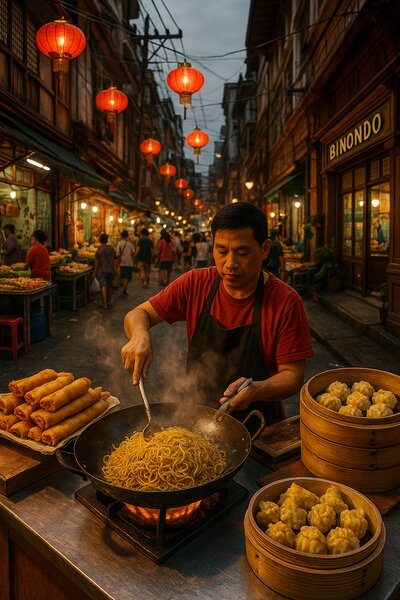
Binondo's Food: How Trade and Migration Created Manila's Culinary Identity
The History of the PBA: How Basketball Became Central to Philippine Culture
The Chinese-Filipino Kitchen: How Migration and Trade Created a Culinary Identity

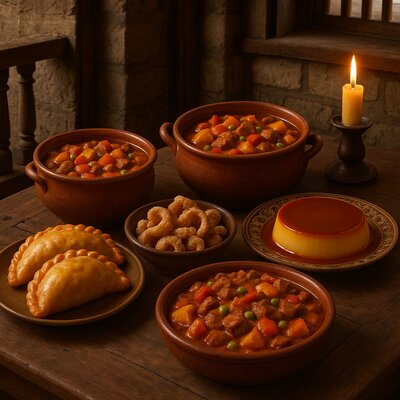
Spanish Colonial Legacy in Philippine Food: 380 Years of Culinary Fusion
Discover how nearly four centuries of Spanish colonization shaped 80% of Philippine cuisine, from cooking techniques to iconic dishes that define Filipino food culture today.
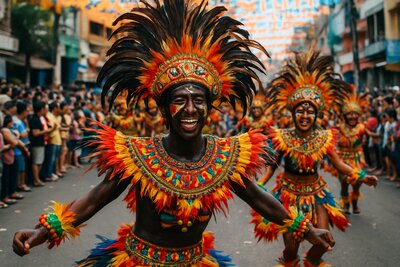
Ati-Atihan Festival 2026: The Mother of All Philippine Festivals
Experience the Ati-Atihan Festival 2026, the "Mother of All Philippine Festivals." Discover the history, cultural significance, and how to experience this vibrant week-long celebration in Kalibo honoring the Santo Niño and indigenous Ati people.