The Birthplace of Philippine Cinema
Escolta holds a special place in Philippine cultural history as literally where Filipino audiences first experienced movies. The cinema was set up at Escolta Street at the corner of San Jacinto Street for early film screenings in 1897, making it the birthplace of cinema culture in the Philippines. When Albert Yearsly filmed the Rizal Day Celebration at nearby Luneta in 1909, those early films found their first audiences in Escolta's screening rooms.
During the 1930s through 1950s, Escolta became Manila's theater district. The street was lined with grand movie palaces built specifically to showcase the magic of cinema. These weren't just theaters--they were architectural statements, social gathering places, and symbols of Manila's cosmopolitan aspirations during the American colonial period and early independence.
Art Deco Architectural Treasures
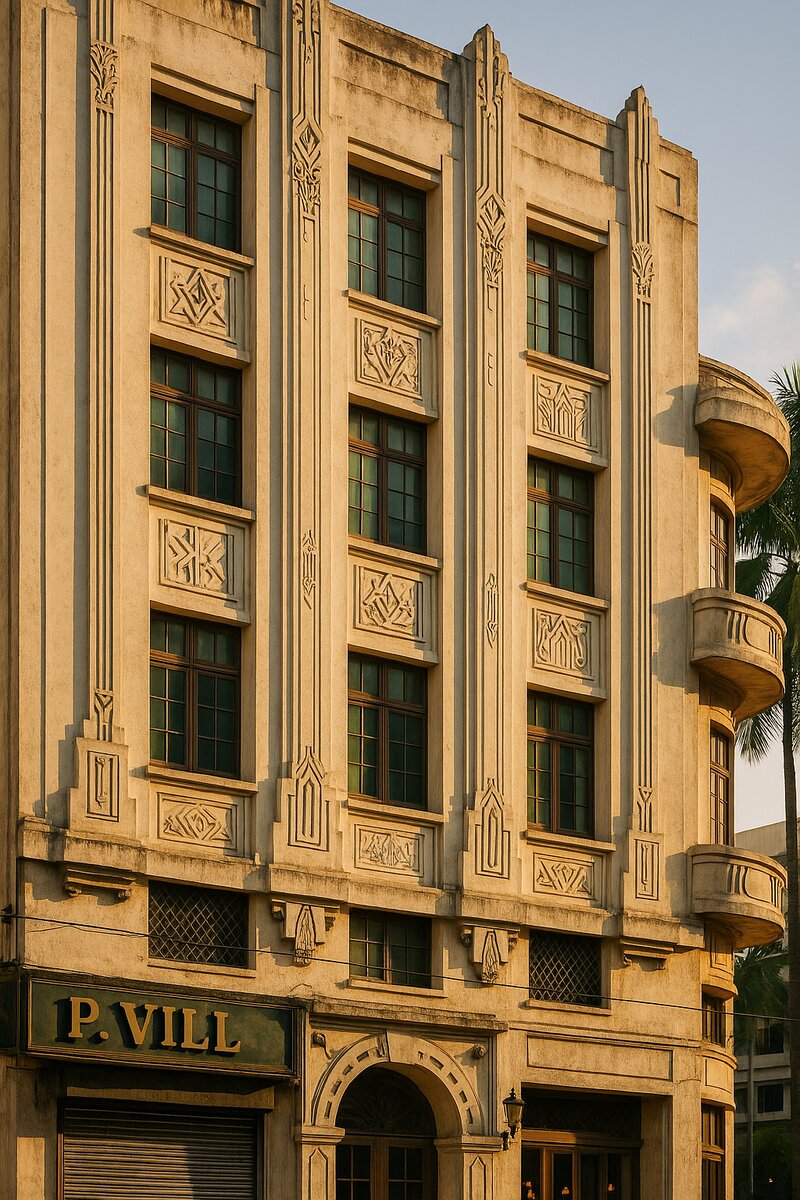
Escolta's architectural legacy is its most visible connection to Manila's golden age. The street showcases some of the finest Art Deco architecture in Southeast Asia, with buildings that have survived wars, neglect, and urban development pressures. Walking Escolta today is like stepping into a time capsule of 1930s-1950s Manila.
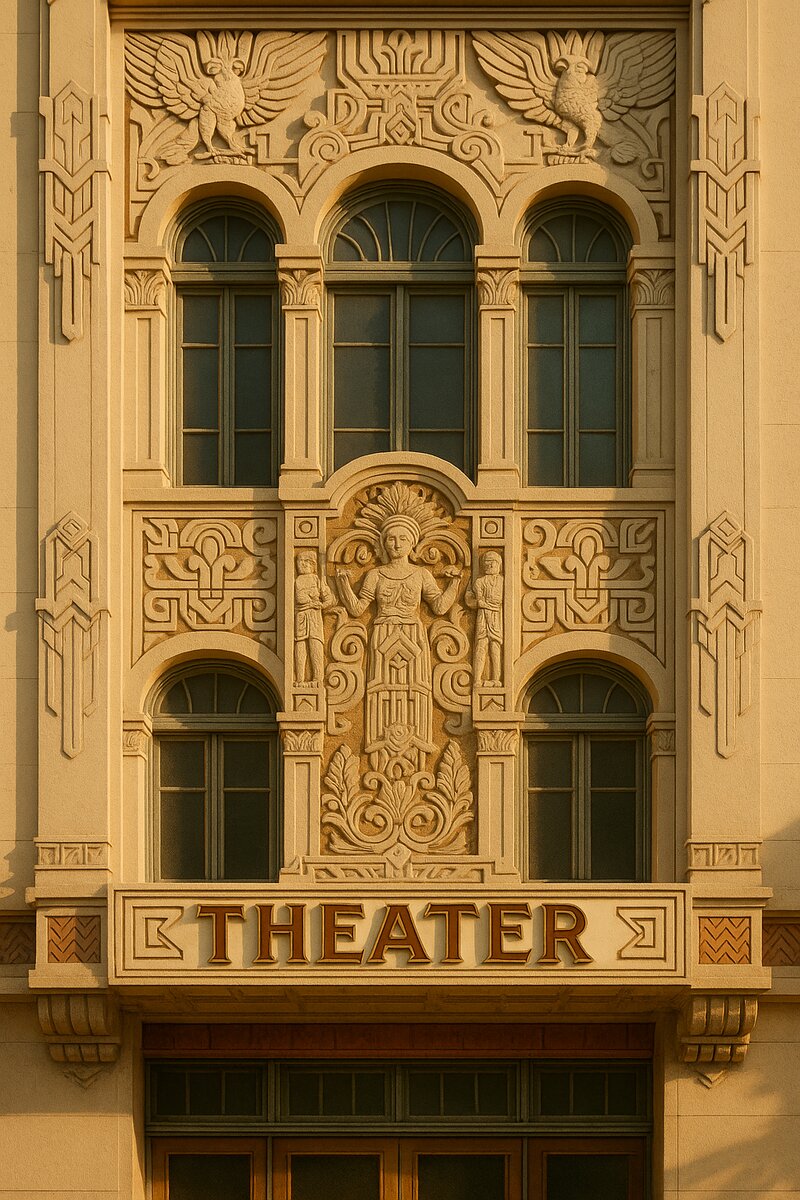
The Capitol Theater, designed by renowned Filipino architect Juan Nakpil in 1935, featured a stunning Art Deco facade showcasing two Filipina muses in traje de mestizas. The fully air-conditioned theater could seat 1,100 moviegoers in comfort--a luxury in tropical Manila. Though the building has fallen into disrepair, its facade remains a testament to the grandeur of Escolta's entertainment heyday.
The Lyric Theater, established in the early 1900s, was another landmark of Manila's downtown theater scene. With capacity for up to 1,600 moviegoers, it represented the scale of entertainment consumption during Escolta's prime. These theaters weren't just showing films--they were creating Manila's movie-going culture, building audiences who would support Philippine cinema for generations.
Commercial Heart of Old Manila
Beyond entertainment, Escolta was Manila's premier shopping and commercial district. The street was home to elegant department stores, jewelry shops, tailors, pharmacies, and all manner of establishments catering to Manila's growing middle and upper classes. European and American brands established their Philippine presence on Escolta, making it the Fifth Avenue or Champs-Élysées of Manila.
The street's decline began in the 1960s as development shifted to Makati, which was being transformed from agricultural land into a modern business district. As businesses relocated and the wealthy moved to new neighborhoods, Escolta slowly lost its luster. Many of its grand buildings were neglected, some were demolished, and the street that once defined Manila sophistication became a shadow of its former self.
The Revival Movement
In recent years, Escolta has attracted the attention of preservationists, artists, and entrepreneurs who see potential in its historic fabric. Organizations like the Escolta Commercial Association and heritage advocates have worked to document and preserve the street's architectural treasures. Several buildings have been restored, and new businesses--cafes, galleries, and creative studios--have opened in vintage spaces.
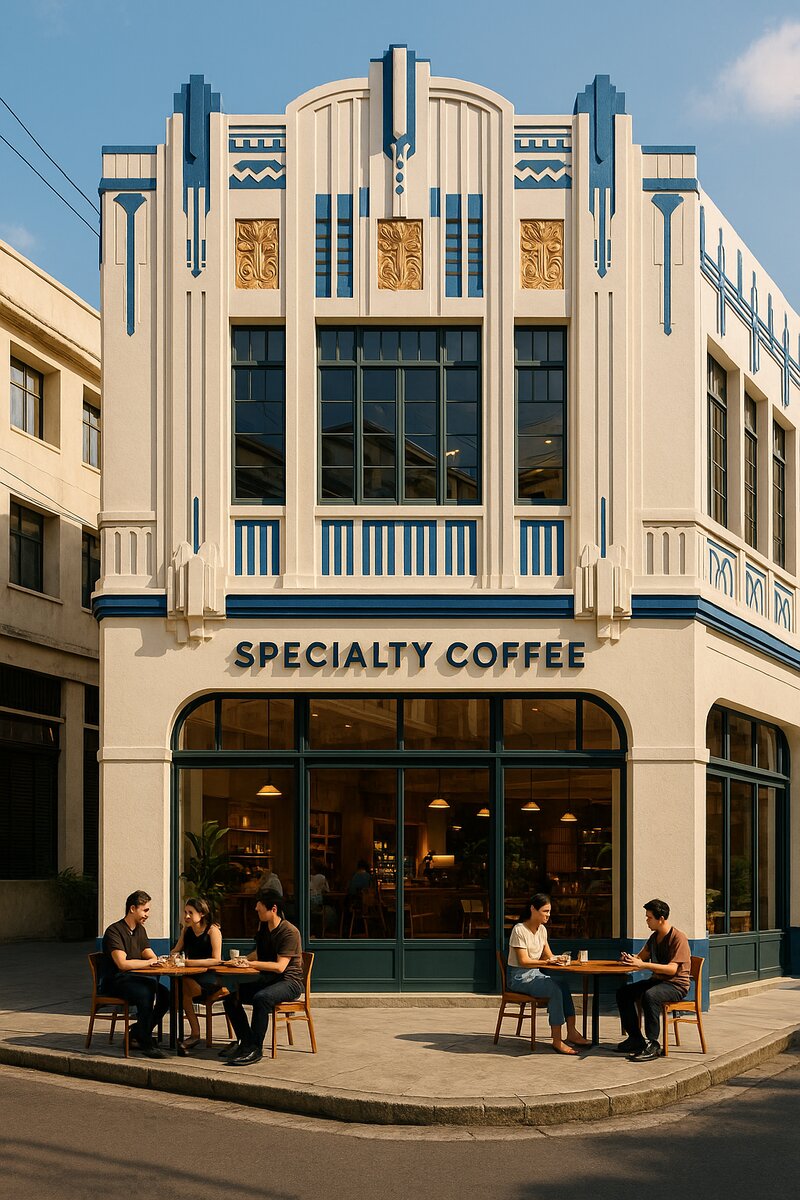
The revival hasn't erased Escolta's working-class character. The street still functions as a commercial area, with shops selling electronics, textiles, and everyday goods. What's changing is a new appreciation for Escolta's historical significance and architectural beauty. Walking tours regularly bring visitors to learn about the street's past, and filmmakers continue using Escolta's vintage aesthetics as backdrops for period productions.
Exploring Escolta Today
A visit to Escolta today offers a different experience from Manila's modern districts. The street is busiest during business hours on weekdays when shops are open and workers fill the sidewalks. The pace is slower than the frenetic energy of Makati or BGC, allowing time to appreciate architectural details--the decorative facades, the vintage signage, the hints of past grandeur.
Start at the intersection of Escolta and Plaza Santa Cruz, where the historic Regina Building stands. Walk eastward along Escolta, noting the Art Deco and neoclassical buildings on both sides. Look up--many buildings' most interesting architectural features are on upper floors. Stop at First United Building, one of Manila's first skyscrapers, and the Calvo Building, both examples of early 20th-century commercial architecture.
Photography enthusiasts will find Escolta endlessly photogenic. The contrast between vintage architecture and contemporary street life, the play of light on weathered facades, and the layers of history visible in every building make it a compelling subject. Many of the shop owners are accustomed to visitors and photographers, though it's always polite to ask before photographing people or shop interiors.
Getting There and Practical Tips
Escolta is located in the Binondo area of Manila, easily accessible via LRT Line 1--exit at Carriedo or Central Terminal stations, both within walking distance. From Makati or BGC, take a taxi or Grab to "Escolta Street, Binondo" or "Plaza Santa Cruz." If driving, parking can be found in nearby parking buildings, though spaces fill quickly during business hours.
Visit during daytime, ideally on weekdays between 9:00 AM and 5:00 PM when businesses are open and the street is most active. The area is generally safe during business hours with heavy foot traffic, though standard urban precautions apply--keep valuables secure, stay aware of your surroundings, and stick to well-trafficked areas.
Combine your Escolta visit with nearby attractions in Binondo--explore the world's oldest Chinatown, visit Binondo Church, or walk to the historic Jones Bridge spanning the Pasig River. The entire area forms Manila's historic core, offering a full day of exploration for history and architecture enthusiasts.
Escolta's Cultural Significance
Escolta represents more than just old buildings and faded glory. It embodies Manila's transformation through the 20th century--from Spanish colonial outpost to American colonial showcase to independent nation's capital to modern megacity. The street witnessed Manila's rise to cosmopolitan status, survived World War II's devastation, endured decades of neglect, and now faces an uncertain future caught between preservation and development pressures.
For Manilenses, Escolta evokes nostalgia for a Manila that existed before traffic gridlock and urban sprawl, when the city's center was walkable and elegant. For visitors, it offers a window into Philippine history that's more authentic than restored heritage sites--this is living history, where the past and present coexist uncomfortably but fascinatingly.
As heritage advocates work to preserve Escolta's architectural legacy and new businesses attempt to revitalize its commercial prospects, the street stands at a crossroads. Will it successfully balance preservation with progress, or will development pressures erase what remains of Manila's golden age? The answer will reveal much about how Manila values its history and whether the city can learn from its past while building its future.
Why Visit Escolta
Visit Escolta if you're interested in architecture, history, urban exploration, or photography. This isn't a tourist district with museums and gift shops--it's a working neighborhood where history is visible in everyday life. The experience is more about observation and appreciation than structured activities.
Escolta rewards curious visitors who take time to look beyond surface-level decay to see the stories embedded in its buildings. Every facade tells a story of Manila's aspirations, every theater marquee represents thousands of moviegoers who experienced cinema magic, every shop represents the commercial energy that once made this street the center of Philippine business and culture.
In a city often criticized for poor heritage preservation, Escolta stands as both a warning and an opportunity--a warning of what can be lost when development proceeds without regard for history, and an opportunity to demonstrate that old buildings can have new purposes, that heritage can coexist with progress, and that Manila's past deserves a place in its future.